Blog Posts

Mice Breeding Update!

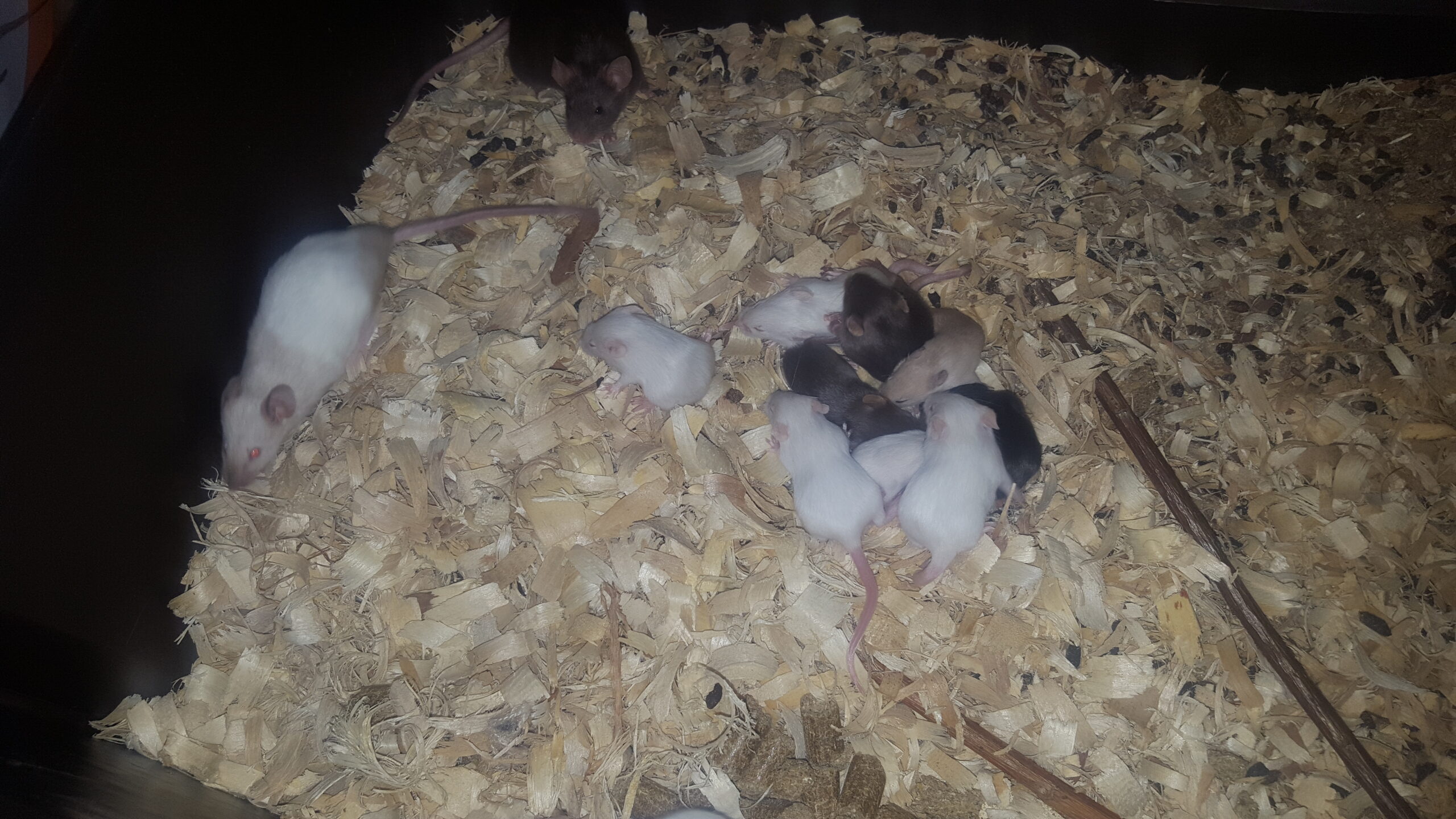
     I’m glad I waited another 24 hours to post this as not only did Colony 2’s babies open their eyes, but Colony 3 just had a bunch of babies! The featured picture is of Colony 2 and their healthy and robust babies sleeping in their hide as the two moms and dad walk around the container. I just checked on both colonies before writing this post to ensure everyone was okay and not eaten as I saw in Colony 1. The parents of that colony not only killed all 10 of their babies, but the babies I let them adopt from Colony 2 weren’t being very well taken care of. Comparing the adopted babies to their biological nest mates made it evident that the mothers of Colony 1 weren’t doing their job. The adopted babies were growing and alive yet weren’t nearly as active as their biological family. Their eyes weren’t opened and they seemed almost feeble. So bad news all around.

Continue reading “Mice Breeding Update!”

New Mice Breeding Video Posted!

Let me tell you how much of a pain it was traveling to the pet store to get these female mice!

In part 1 of my video I was nothing less than weary as I’d nearly traveled an entire day to go to the pet store, pick up the female mice, and ride back home in one piece. Getting there was the easy part as I had already gotten used to going hours and hours in my car with no breaks. I felt that it was ridiculous that I had to travel so far, but considering the amount I would have to pay in frozen thawed mice in a protracted amount of time warranted such a journey. Look at the screenshot under this text. $74 for 10 rat pinkies? Simply ridiculous! It doesn’t get much better than that if you include frozen mice pinkies, though I concede you get a one months supply.

Continue reading “New Mice Breeding Video Posted!”

Mice Breeding!

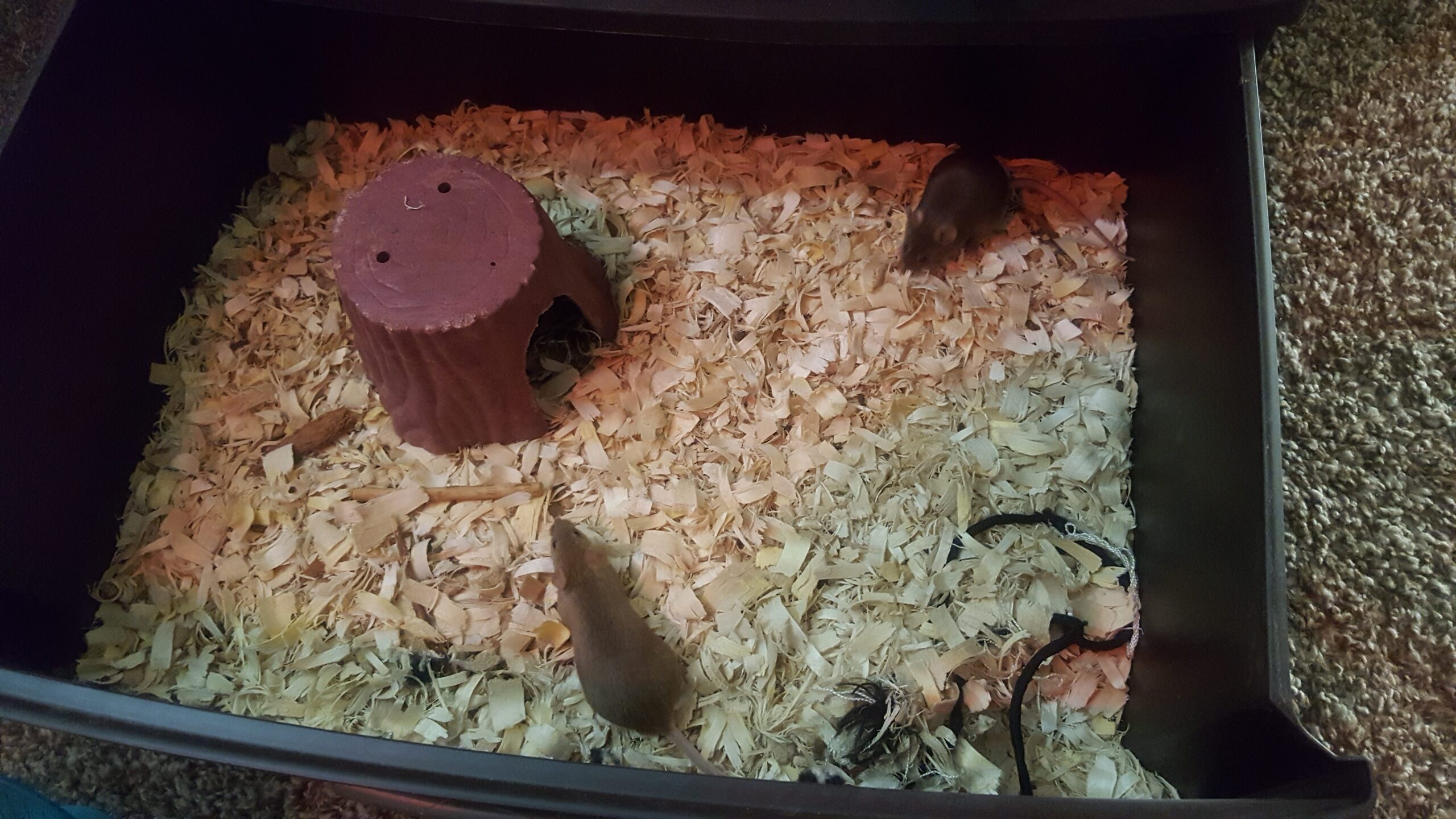
With frozen thawed pinky mice creeping into my budget & two other animals coming my way, I’ve decided to breed mice instead of buying frozen mice to lower expenditures. Per the usual, most aspects of their care such as heating, ventilation, & their feeding schedule will be automated using a microcontroller I will program. Being a beginner, what will I need to start this mice breeding project?

Continue reading “Mice Breeding!”

New ATMega FTDI/ Unit Updates

Check Out Our Other Arduino Based Posts![/su_button]After a lot of inspecting, making, remaking my ATMega units, I’ve come to the conclusion that the issue isn’t with my ability to make them, but the FTDI programmer I’m using. I used to use this one, but as its description says, its not a genuine FTDI, so my computer likely bricked it. I bought a second one to ensure I didn’t just get a bad unit, but the replacement even stopped working. Perhaps there’s a variable I’m unaware of, but to be on the safe side I bought a genuine FTDI programmer & received it today with stunning success. Its capable of plug & play, & can program with 3.3v as well as 5v.


There are some gripes I have with the unit, one of which being that you need a M/F USB cord as the FTDI has a male connector instead of the usual female. Its weird, but is a small issue compared to how useful it is. A working FTDI means I can take the next step in my programming ventures by having a plug & play programmer to program my ATMegas. The picture below shows what I mean. I dislike having to make the pin connections, so for this ancient ATMega setup I used wires & make header pins to make it for me. A modern iteration of this setup is in the works for future use, but with major changes. Here are the public highlights:

Continue reading “New ATMega FTDI/ Unit Updates”

Making Your Own Arduino

Making the stand alone arduino is a great way to learn more about the µcontroller (microcontroller) that powers the official Arduino µcontroller as its the brains that controls all the inputs & outputs, data processing, etc. of the controller. While using an official Arduino (the capitalized ‘a’) or clone is useful, the experience isn’t the same as building, programming, & completing your own. An official Arduino costs $22, a clone costs $10, which is cheaper, but doesn’t compare to the $4 expense needed to assemble your own. An added benefit is that the chip is an easy $2 replacement if you happen to burn it out, which will happen often as you start your arduino journey.

Continue reading “Making Your Own Arduino”